
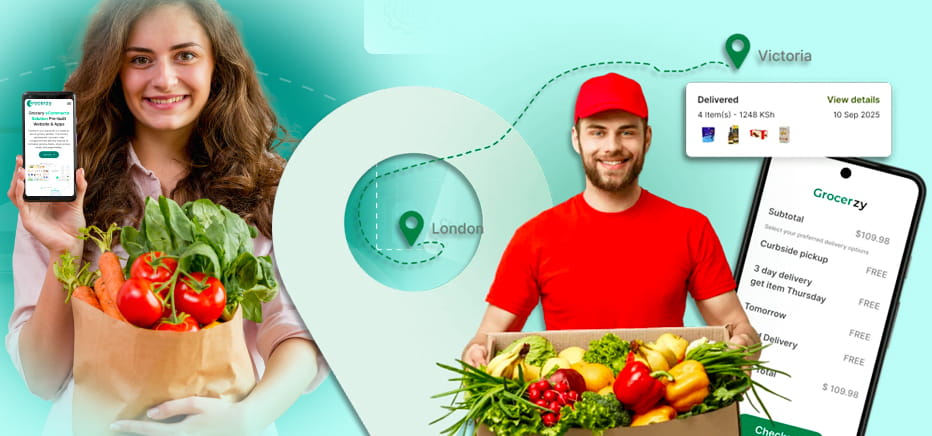
In the online grocery sector, trust is built through reliability, transparency, and consistency. Unlike other eCommerce categories, grocery shopping is closely tied to daily routines, time sensitivity, and essential household needs. Customers expect clarity around order status, delivery timelines, and fulfilment accuracy. When these expectations are not met, confidence can quickly decline. Real-time order tracking has emerged as a practical way for grocery platforms to reduce uncertainty and create more dependable customer experiences.
The Trust Gap in Online Grocery Experiences
Online grocery shopping removes the physical cues customers rely on in-store, such as seeing product availability or interacting with staff. This absence of visibility creates a trust gap, particularly for first-time users. Customers often feel anxious once payment is completed, especially when orders include fresh or perishable items.
Digital platforms built on pre-built grocery store software increasingly address this challenge by embedding live order visibility into the customer journey. Rather than relying on static confirmations, customers receive ongoing updates that show progress from order placement to delivery. This transparency helps replace uncertainty with reassurance.
Transparency as a Foundation for Customer Confidence
Transparency is one of the strongest drivers of customer trust in digital services. Real-time tracking allows customers to see when an order is being prepared, packed, dispatched, and delivered. Each update reinforces the idea that the process is active and managed.
When customers are kept informed, even delays feel more acceptable. Clear updates reduce speculation and frustration, making customers more likely to stay engaged with the platform. Transparency shifts communication from reactive explanations to proactive information sharing, which is critical in maintaining confidence over time.
Reducing Customer Support Dependency
A large proportion of grocery customer support enquiries relate to order status. Questions such as “Has my order been packed?” or “When will my delivery arrive?” are common when visibility is limited. Real-time tracking significantly reduces these queries by making information readily available.
For customers using a mobile app for supermarket purchases, this visibility is especially important. Mobile users expect quick access to real-time updates without needing to contact support. When status information is clearly presented within the app, customers feel more independent and in control, leading to higher satisfaction levels.
Predictability and Habit Formation
Customer retention in grocery eCommerce is largely driven by habit. Shoppers tend to return to platforms that feel predictable and dependable. Real-time order tracking supports this behaviour by reinforcing accurate expectations with each successful delivery.
When customers repeatedly see that delivery times align with tracking information, trust becomes habitual. Over time, this predictability encourages customers to integrate the service into their routine, reducing the likelihood of switching to competitors.
Emotional Trust and Perceived Control
Trust is not purely rational; it is also emotional. Real-time tracking gives customers a sense of control over their orders. Being able to check progress at any time reduces anxiety, particularly for high-value or time-sensitive grocery purchases.
This emotional reassurance plays a significant role in loyalty. Customers who feel informed and empowered are more likely to return, even when minor issues arise. Control transforms the experience from passive waiting into active engagement.
Managing Exceptions with Greater Clarity
Grocery fulfilment inevitably involves exceptions such as out-of-stock items, substitutions, or delivery delays. The impact of these issues depends largely on how they are communicated. Real-time tracking allows businesses to surface changes early, giving customers time to adjust expectations.
When customers are notified promptly, they are more likely to respond with understanding rather than frustration. Clear communication demonstrates respect for the customer’s time and reinforces trust, even in less-than-ideal situations.
Supporting Omnichannel Experiences
Modern grocery businesses operate across websites, mobile apps, and delivery platforms. Real-time tracking acts as a unifying layer across these channels, ensuring consistent information regardless of where the order was placed.
Platforms offering Online Grocery Delivery Software rely on this consistency to avoid fragmented customer experiences. When tracking data is synchronised across systems, customers receive the same updates whether they check via email, app, or web interface. This continuity strengthens brand reliability.
Operational Insight and Continuous Improvement
Beyond customer-facing benefits, real-time order tracking provides valuable operational data. Businesses can analyse fulfilment times, delivery performance, and bottlenecks to improve efficiency. These insights help refine processes and improve accuracy in future deliveries.
As delivery estimates become more reliable, customer trust increases naturally. Accurate tracking data supports better planning and more realistic expectations, benefiting both customers and internal teams.
Long-Term Retention Through Consistency
Customer retention is rarely driven by a single feature. It is the result of consistent, positive experiences over time. Real-time order tracking contributes to this consistency by reducing friction, improving communication, and reinforcing reliability with every order.
Customers who trust a platform to keep them informed are more likely to continue using it, even in competitive markets. In grocery eCommerce, where switching costs are low, experience consistency becomes a key differentiator.
A Structural Requirement, Not a Convenience
Real-time order tracking should be viewed as a core operational capability rather than a value-added feature. It aligns customer expectations with fulfillment realities and replaces uncertainty with transparency. In a sector where reliability directly impacts loyalty, this capability plays a central role in building long-term trust.
As online grocery services continue to mature, real-time tracking will remain essential to sustaining customer confidence and encouraging repeat engagement.


