

As we see rapid advancements in web development technologies, more and more businesses are turning to headless architecture. And this rapid shift is not just about performance, it is about offering rich and personalised user journeys.
If we see the market scenario, the headless commerce market is expected to reach $11.8 billion by 2028, growing at a compound annual growth rate (CAGR) of 17.5%. No wonder it is a trending topic these days.
And if we name one tool that is widely used in the headless setup, it will be WordPress. Despite being known as a traditional website builder, WordPress has been used in a headless setup by many brands. Be it an easy-to-use content editor or a powerful, custom front end, it offers both.
So, if you are thinking about taking your project or business headless with WordPress in 2025, great move! Let's dive into some standout examples of headless WordPress websites to see what all the buzz is about!
1. Volvo car
Website: https://www.volvocars.com/au/
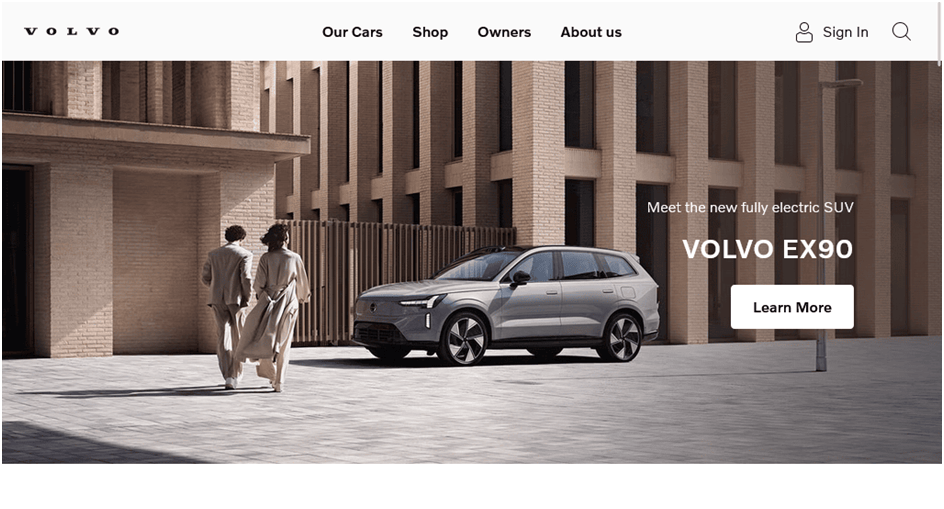
With multiple taxes and region-specific pricing rules, Volvo Car Australia wanted to build a fast and accurate online pricing tool so that customers can calculate the true "driveway" cost of the vehicle. Hence, a headless WordPress setup has been implemented to separate the backend (WordPress CMS) from the frontend (the user interface).
This way, the data has been managed in WordPress while the users see a custom-built interface. Since the frontend is not tied directly to WordPress, the site loads faster. Also, the frontend of the Volvo calculator has been connected directly to Volvo's global APIs to create a smooth experience for users switching between sites while ensuring consistent data. The end result came out as a powerful pricing tool with a clean homepage and user-friendly vehicle filter.
2. Beachbody On Demand

Website: https://www.bodi.com/
Beachbody On Demand basically focuses on selling digital fitness content. This model is a great example of how headless WordPress serves non-traditional ecommerce needs, including subscription-based access, video content delivery, and dynamic user dashboards. The core goal of this site was to streamline content management while automating asset handling by delivering images and videos in optimised formats automatically.
Visitors enjoy the diversity of this platform, which includes videos, recipes, products, courses, blogs, and more via the WordPress backend. Headless WordPress facilitates automated asset optimisation, where the backend stores the content and the frontend requests only the needed formats and sizes. This way, visitors can enjoy faster loading and automatically optimised mobile content.
3. Louis Kennedy

Website: https://louisekennedy.com/
This global luxury fashion label is another example that has built its ecommerce store with headless ecommerce. As it comes with diverse payment preferences and region-specific regulations, it uses headless CMS to deal with the multi-gateway payments.
It benefited from enhanced security as the sensitive card data had never touched the frontend servers, and in the case of any exploitation, the payment data remained isolated in the backends. Also, the frontend's performance has not been bogged down by heavy commerce logic. This shows how headless ecommerce helps scale effortlessly as the brand enters a new market. In addition, as the brand relies on high-quality visuals, headless helps in delivering the content through API to a lightweight frontend.
4. Haruki Murakami

Website: https://harukimurakami.com/
Haruki Murakami's official website uses the headless WordPress setup as well. The backend of this site is powered by WordPress, and the frontend brings content from WordPress using API calls instead of direct rendering.
Eventually, this setup allows the site to offer an app-like experience, with smooth page transitions, fast load times, and engaging animations—all without full page reloads. All these setups provide the site with a modern and engaging interface, perfect for the literary and creative audience.
How does Headless WordPress work?
Headless WordPress refers to those websites that employ WordPress as the backend software for content management and use other technologies to display the content on the frontend interface.
Here's an easy explanation of how Headless WordPress works.
Writers, editors or marketers can log into the WordPress admin panel to write blog posts, add pages or manage custom content without worrying about how the content gets displayed. Anything they create will be saved in the WordPress database. Developers are also free to develop the frontend using tools like React, Next.js, or GraphQL, without using a WordPress theme.
WordPress has a REST API, which is a tool that allows developers to grab content from WordPress and use it across platforms. The custom frontend then uses the API to get WordPress content and display it to the visitor. This way, the site will load quickly and look modern and flexible across devices.
Wrapping up
Overall, headless WordPress opens the door to endless possibilities for those brands that are looking for flexibility, speed, and a modern user experience. If you are also considering headless WordPress for your next online store, go for a trusted headless commerce platform that supports its architecture and is ready to give you the best of both worlds- powerful content management and cutting-edge frontend performance.


